



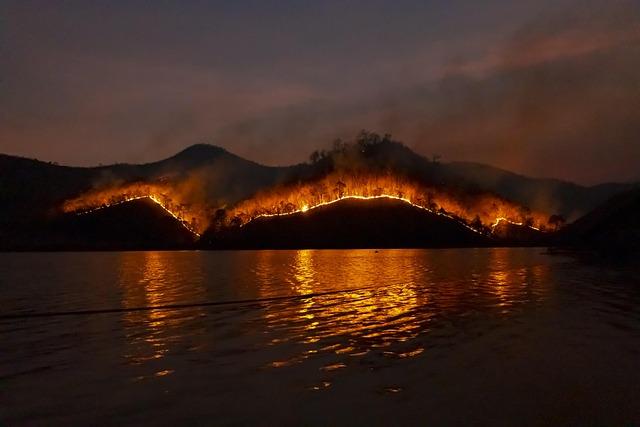
Smoke from ongoing Canadian wildfires is expected to impact air quality and visibility across various parts of the United States in the coming days. According to experts and officials, the drifting smoke poses potential health risks and could create hazy skies, prompting advisories for sensitive groups. This development underscores the far-reaching effects of the wildfires burning in Canada and their cross-border implications. Here is what you need to know about the situation and how it may affect communities in the U.S.
Impact of Canadian Wildfire Smoke on Air Quality Across the United States
Recent Canadian wildfires have propelled a substantial smoke plume southward, impacting air quality across several regions within the United States. Areas in the Northern Plains, Midwest, and even parts of the East Coast are experiencing heightened levels of particulate matter, leading to deteriorated air conditions. The Environmental Protection Agency (EPA) has issued air quality alerts, urging sensitive groups such as children, the elderly, and those with respiratory conditions to take precautions. Visibility has also diminished significantly in certain locations, raising concerns for transportation safety and outdoor activities.
Key aspects to consider during this smoke event include:
- Elevated PM2.5 Levels: Fine particulate matter concentrations are expected to spike, aggravating respiratory illnesses.
- Visibility Reduction: Dense smoke haze is reducing visibility on highways, airports, and urban areas.
- Duration: Smoke presence may persist for several days, depending on weather patterns and fire activity.
- Health Advisories: Local health departments recommend limiting outdoor exertion, especially during peak smoke hours.
| Region | Air Quality Index (AQI) Forecast | Visibility Impact |
|---|---|---|
| Great Plains | Unhealthy for Sensitive Groups | Moderate haze, reduced to 5 miles |
| Midwest | Moderate to Unhealthy | Visibility drops to 3-7 miles |
| East Coast (select areas) | Moderate | Light haze, around 8 miles |
Regions Likely to Experience Reduced Visibility and Health Risks
The dense smoke plumes drifting southward from the Canadian wildfires are expected to impact several U.S. states, resulting in noticeably diminished visibility and raising health concerns. Residents in regions stretching from the northern Plains through parts of the Midwest and extending into portions of the Northeast should brace for hazy skies and potentially hazardous air. These conditions could disrupt travel and daily outdoor activities, especially for vulnerable groups such as children, the elderly, and individuals with respiratory conditions.
States at elevated risk include:
- North Dakota
- Minnesota
- Wisconsin
- Michigan
- New York
- Massachusetts
| Air Quality Concerns | Visibility Impact | Health Advisory Level |
|---|---|---|
| Moderate to unhealthy for sensitive groups | Low, particularly during early mornings and evenings | Orange (Alert for sensitive groups) |
| Increased particulate matter in the air | Reduced below 5 miles in affected areas | Yellow to orange |
Authorities warn that prolonged exposure to these smoky conditions may exacerbate respiratory symptoms and urge residents to monitor local air quality reports closely. Steps such as limiting outdoor exertion, using air purifiers indoors, and wearing masks when air quality worsens are highly recommended to mitigate health risks.
Health Precautions and Safety Measures for Residents in Affected Areas
Residents in affected regions should take immediate steps to safeguard their health amid deteriorating air quality. Minimizing outdoor activities is crucial, especially for vulnerable groups such as children, the elderly, and individuals with respiratory or cardiovascular conditions. Using N95 masks can provide better protection against fine particulate matter than standard cloth masks. Additionally, keeping windows and doors closed, using high-efficiency air purifiers indoors, and avoiding the use of candles or fireplaces will help reduce indoor smoke exposure.
- Monitor local air quality updates through trusted apps and websites.
- Stay hydrated to help the body cope with irritants.
- Seek medical attention if experiencing symptoms such as difficulty breathing, chest pain, or persistent coughing.
- Avoid strenuous physical activities outdoors during peak smoke hours.
| Precaution | Recommended Action |
|---|---|
| Indoor Air Quality | Use HEPA air purifiers & keep windows closed |
| Outdoor Exposure | Wear N95 masks & limit time outside |
| Hydration | Drink plenty of fluids daily |
| Symptom Monitoring | Contact healthcare if breathing worsens |
Monitoring Air Quality Updates and Resources for Staying Informed
Stay ahead of changes in air quality by regularly consulting reliable sources that update smoke concentrations and health advisories. Trusted platforms such as the AirNow and the EPA Outdoor Air Quality Data provide real-time monitoring tools and forecasts tailored to specific regions affected by wildfire smoke. Local meteorological agencies also offer critical insights via mobile apps and social media channels, delivering timely alerts to help residents adjust their outdoor activities accordingly.
For personalized health recommendations, consulting the Air Quality Index (AQI) levels is essential. Here’s a quick reference to understand AQI categories and precautions:
| AQI Range | Air Quality Category | Recommended Action |
|---|---|---|
| 0 – 50 | Good | No restrictions needed |
| 51 – 100 | Moderate | Consider limiting prolonged outdoor exertion |
| 101 – 150 | Unhealthy for Sensitive Groups | Sensitive individuals should reduce outdoor activities |
| 151 – 200 | Unhealthy | Everyone should limit outdoor exertion |
| 201+ | Very Unhealthy/Hazardous | Avoid outdoor activities; seek indoor air filtration |
- Subscribe to local government and health department alerts for real-time updates.
- Use N95 masks when air quality deteriorates to reduce inhalation of fine particles.
- Seal indoor environments by closing windows and using air purifiers to maintain safer air quality.
To Wrap It Up
As smoke from Canadian wildfires continues to drift into parts of the United States, residents are advised to stay informed about air quality updates and take necessary precautions, especially those with respiratory conditions. Authorities recommend minimizing outdoor activities during periods of heavy smoke and following guidance from local health departments. For ongoing coverage and the latest advisories, stay tuned to trusted news sources including fox5sandiego.com.