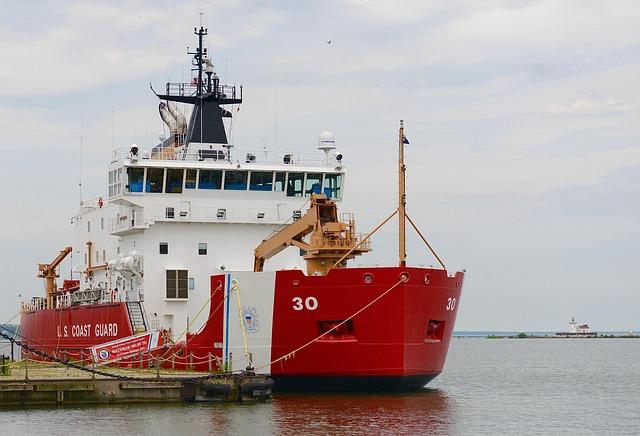
Amid ongoing uncertainties surrounding a potential government shutdown, South Dakota Governor Kristi Noem has assured that members of the U.S. Coast Guard will continue to receive their pay. This assurance comes as part of broader concerns over the financial impacts a shutdown could have on military and federal personnel. According to Noem, the Coast Guard’s unique status under the Department of Homeland Security ensures that its service members remain compensated even if government operations temporarily halt, a development closely watched by military members and their families nationwide.
US Coast Guard Funding Secured Despite Government Shutdown
Despite the recent government shutdown, the US Coast Guard will continue to receive funding, ensuring uninterrupted pay and operations for its personnel. Secretary Kristi Noem confirmed that congressional agreements have prioritized funding for the Coast Guard, recognizing its critical role in national security and maritime safety. This decision allows Coast Guard missions such as search and rescue, drug interdiction, and port security to proceed without delay, avoiding the disruptions seen in other federal agencies.
Key points regarding the funding status include:
- Paychecks secured: Active duty members will not face delays or furloughs.
- Operational readiness: Essential missions and equipment maintenance will remain fully funded.
- Support services: Logistics and administrative functions continue without interruption.
| Aspect | Status | Impact |
|---|---|---|
| Personnel Pay | Secured | No delays or furloughs |
| Search & Rescue | Fully Funded | Continuous coverage |
| Maintenance | Ongoing | Ensures operational readiness |
Impact on Military Families and Personnel During the Shutdown
The assurance that US Coast Guard personnel will continue to receive pay during the government shutdown brings a significant relief to military families nationwide. For many, the uncertainty of stalled paychecks creates a ripple effect, impacting household budgets, child care arrangements, and even mortgage payments. With this interruption averted specifically for the Coast Guard, families can maintain a degree of financial stability, allowing service members to focus fully on their critical missions without the added stress of economic hardship.
However, deployment schedules and operational readiness remain areas of concern. While financial compensation is guaranteed, some ancillary benefits and support services often linked with government operations face delays or disruption. Below is a snapshot of what military families might expect during the shutdown period:
- Paid leave benefits: Generally unaffected for active-duty members, but some civilian support personnel may face delays.
- Access to military facilities: Some facilities could operate with limited hours or staffing shortages.
- Family support programs: Outreach and counseling services may experience reduced availability.
| Aspect | Status During Shutdown |
|---|---|
| Paychecks for Active Coast Guard | Guaranteed |
| Civilian Support Pay | Potential Delay |
| Military Family Resource Centers | Limited Operations |
| Child Care Subsidies | May Be Suspended |
Government Measures to Ensure Continuity of Essential Services
In response to potential disruptions caused by a government shutdown, authorities have put in place strategic measures to guarantee that vital operations remain uninterrupted. The US Coast Guard, a critical agency responsible for national security and maritime safety, has been assured continued funding to ensure personnel receive their paychecks without delay. This decisive move reflects a broader commitment to sustaining essential services that safeguard public safety and national interests, even amid fiscal impasses.
Key measures include:
- Allocation of contingency funds specifically earmarked for critical agencies
- Prioritization of payroll processing for frontline defense and emergency response units
- Streamlined operational protocols to maintain readiness despite partial government funding lapses
| Agency | Continued Pay Status | Essential Functions Maintained |
|---|---|---|
| US Coast Guard | Yes | Maritime security, search and rescue |
| Federal Aviation Administration | Limited | Air traffic control |
| National Weather Service | Partial | Weather warnings and monitoring |
Recommendations for Preparedness Amid Potential Future Shutdowns
To mitigate the impact of future government shutdowns on essential services, individuals and organizations should prioritize advanced financial planning and resource management. Key strategies include maintaining an emergency fund to cover unexpected expenses, staying informed about government operations status, and establishing contingency plans that address both short-term disruptions and extended downtimes. These measures enable personnel, especially those in critical sectors, to navigate periods of uncertainty with greater security and confidence.
- Regular Budget Reviews: Monitor and adjust personal and organizational budgets to ensure liquidity.
- Communication Plans: Develop clear channels to disseminate timely updates during shutdowns.
- Backup Resources: Identify alternative funding sources and supply chains ahead of time.
- Legal and HR Guidance: Consult experts on employee rights and benefits during furloughs or funding gaps.
| Preparedness Aspect | Recommended Actions |
|---|---|
| Financial Security | Emergency savings, alternate income streams |
| Information Access | Real-time government status updates |
| Operational Continuity | Contingency plans, flexible scheduling |
| Employee Support | Clear HR policies, mental health resources |
Future Outlook
As the government shutdown continues to impact various federal agencies, the assurance that the U.S. Coast Guard will continue receiving pay provides a measure of relief for service members and their families. South Dakota Governor Kristi Noem’s confirmation underscores ongoing efforts to mitigate financial disruptions for critical military personnel during this period of uncertainty. The situation remains fluid, and officials are closely monitoring developments as lawmakers work toward a resolution.