


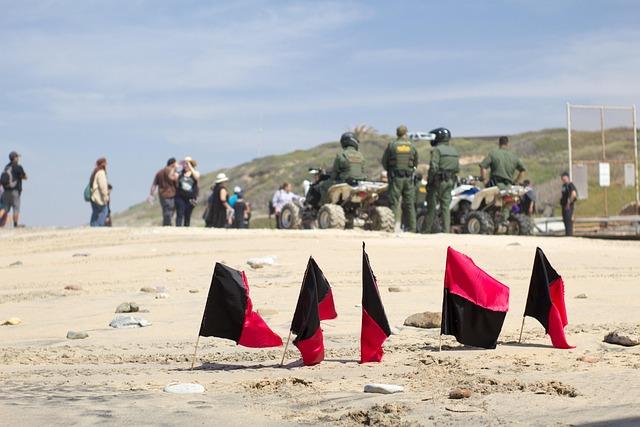
Protests under the banner “No Kings” have resurfaced in San Diego, reigniting public debate over governance and social justice. The demonstrations, which first gained traction last year, continue to draw sizable crowds protesting against perceived institutional overreach and advocating for community-driven leadership. As the movement regains momentum, San Diego once again finds itself at the center of fervent activism and civic engagement.
No Kings protests reignite community activism in San Diego
Last weekend saw a resurgence of the “No Kings” protests which have sparked new waves of activism throughout San Diego. Community members, young and old, gathered in multiple neighborhoods to voice their concerns about local governance and systemic inequalities. These demonstrations have re-energized grassroots networks, reminding the city of the power and importance of collective action.
- Increased turnout: More than 500 participants joined the marches across Balboa Park and Downtown.
- Diverse coalition: Activists from numerous backgrounds united under a common cause for social justice.
- Focus on policy reform: Demands include affordable housing, transparency in city politics, and police accountability.
| Neighborhood | Participant Count | Main Demand |
|---|---|---|
| Balboa Park | 200+ | Police Reform |
| Downtown | 180+ | Affordable Housing |
| North Park | 150+ | Transparency in Government |
Analyzing the causes and goals behind the renewed demonstrations
The resurgence of the “No Kings” protests in San Diego stems from a complex array of social, political, and economic grievances. At the core, demonstrators are driven by widespread frustration over perceived governmental overreach and policies that they argue undermine democratic principles. The movement’s revitalization coincides with recent local government decisions seen as prioritizing elite interests over community needs, fueling a sense of disenfranchisement. Protesters emphasize the need for increased transparency, accountability, and systemic reform.
Key objectives voiced by the protest leaders include:
- Demanding limits on executive powers that concentrate authority in the hands of a few
- Advocation for enhanced civic participation and direct democracy mechanisms
- Calling for policy reforms aimed at reducing economic inequality and promoting social justice
- Seeking stronger protections for freedom of expression and assembly
| Cause | Goal |
|---|---|
| Governmental centralization | Decentralize power |
| Economic disparity | Fair wealth distribution |
| Policy opacity | Transparency in governance |
| Suppression of freedoms | Safeguard civil liberties |
Impact of protests on local businesses and public safety measures
Local businesses in downtown San Diego have felt a mix of disruption and resilience amid the recent wave of protests. Many storefronts reported a noticeable decrease in foot traffic during peak hours, attributing the decline to both road closures and heightened police presence. Some retailers and cafes took proactive measures such as boarding up windows and reducing operating hours to minimize potential property damage. Despite these challenges, several small businesses expressed solidarity with the demonstrators’ cause, highlighting a community-driven approach to navigating the unrest.
Public safety officials coordinated a robust response to balance the right to protest with protecting residents and commercial properties. Measures included:
- Increased patrol units deployed around key demonstration points
- Temporary barricades installed to guide pedestrian and vehicular flow
- Real-time monitoring using surveillance technologies to quickly address incidents
| Safety Measure | Purpose | Effectiveness |
|---|---|---|
| Increased Patrols | Prevent property damage and violence | Moderately effective |
| Barricades | Control crowd movement | Highly effective |
| Surveillance | Quick response to incidents | Effective |
Recommendations for city officials to engage with protest leaders and address grievances
City officials should prioritize establishing open channels of communication with protest leaders to foster mutual understanding and collaboration. Scheduling regular, transparent forums where grievances can be aired respectfully encourages trust-building and demonstrates a commitment to addressing core community concerns. Importantly, these engagements should be structured yet informal enough to allow for candid dialogue, enabling both parties to identify actionable solutions without the barriers of formal bureaucracy.
Key strategies for effective engagement include:
- Assign dedicated liaison officers trained in conflict resolution and cultural competency.
- Implement real-time feedback mechanisms to monitor the effectiveness of policies addressing protester demands.
- Collaboratively develop community-led task forces to oversee progress and maintain accountability.
- Ensure public commitments from city leadership to timelines and transparent updates on initiatives.
| Goal | Action | Timeline |
|---|---|---|
| Build Trust | Monthly open forums with protest representatives | Ongoing |
| Address Grievances | Rapid response team for urgent community issues | Within 2 weeks |
| Measure Impact | Quarterly surveys assessing protester satisfaction | Every 3 months |
In Retrospect
As the “No Kings” protests return to San Diego, the city once again finds itself at the crossroads of civic expression and public order. The demonstrations, underscored by concerns over social and political issues, highlight the ongoing tensions within the community. Authorities continue to balance the right to peaceful protest with maintaining safety and order on the streets. As these events unfold, San Diego remains a focal point for dialogue on activism, governance, and the challenges facing urban centers in the modern era.