


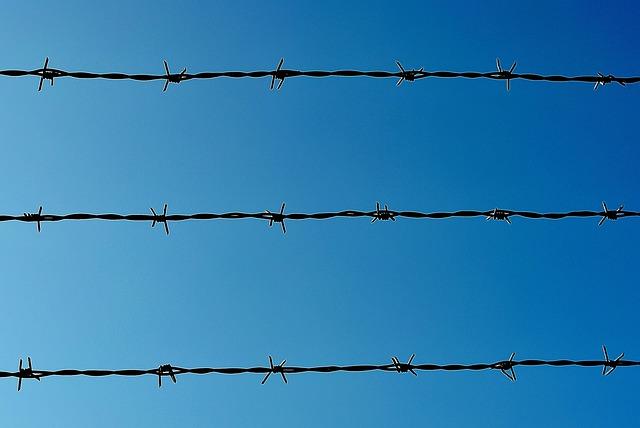
Authorities have initiated the construction of new border barriers between San Diego, California, and Tijuana, Mexico, aiming to curb the recent surge in mass crossings at this heavily trafficked international boundary. The move comes amid escalating concerns over border security and efforts to manage the influx of migrants attempting to enter the United States. This development marks the latest chapter in ongoing efforts to reinforce infrastructure along the U.S.-Mexico border, with officials emphasizing the urgency of preventing large groups from crossing unlawfully while balancing humanitarian considerations.
New Border Barriers Erected to Curb Surge in Unauthorized Crossings
Impact on Local Communities and Cross-Border Relations
Communities on both sides of the San Diego-Tijuana border face significant changes as new barriers rise. Residents express concerns over disrupted daily life, with local businesses fearing a reduction in cross-border traffic that sustains the economy. Schools and neighborhoods near the barrier report heightened tension, as families with ties on both sides grapple with restricted movement. Many advocacy groups emphasize the importance of humanitarian considerations amid heightened security measures, calling for balanced solutions that do not sacrifice community cohesion.
The impact extends beyond local society, affecting diplomatic and logistical cooperation between the two cities. Cross-border emergency response coordination and trade routines must adjust to altered pathways, potentially slowing crucial services. The table below highlights key areas impacted by the new barrier implementation:
| Aspect | Pre-Barrier | Post-Barrier |
|---|---|---|
| Daily Crossings | 100,000+ | Reduced by 20% |
| Local Business Revenue | Stable | Fluctuating |
| Emergency Response Time | Average 15 min | Average 22 min |
| Community Events | Frequent Binational | Limited Participation |
- Economic shifts: Some businesses adjust operations or relocate.
- Social dynamics: Families adapt to new commuting challenges.
- Binational dialogue: Increased diplomatic engagement to address arising issues.
Security Measures and Technology Integrated into New Barrier Systems
The newly erected barriers along the San Diego-Tijuana line incorporate advanced technology alongside reinforced physical structures to enhance security efficacy. Motion sensors, thermal imaging cameras, and acoustic detection systems are strategically installed to monitor and alert border patrol agents to unauthorized crossings in real time. These integrated systems provide a multi-layered defense that significantly reduces blind spots, drastically improving response times and law enforcement coordination.
Complementing the sensory equipment, the barriers themselves are constructed using a hybrid of steel and composite materials designed to withstand both physical breach attempts and environmental wear. The project also features a periodic maintenance schedule supported by automated drone surveillance, which conducts overhead inspections and feeds live footage back to command centers. Below is a summary of the key technologies embedded within the new border system:
| Technology | Function | Benefit |
|---|---|---|
| Thermal Imaging Cameras | Detect heat signatures day and night | 24/7 monitoring in low visibility |
| Acoustic Sensors | Pick up sounds of climbing or digging | Early warning of breach attempts |
| Automated Drones | Conduct aerial surveillance | Rapid area coverage and live updates |
Recommendations for Policy Adjustments and Humanitarian Considerations
To ensure that border security measures balance enforcement with compassion, adjustments must focus on the root causes driving mass crossings. Policymakers should prioritize comprehensive immigration reform aimed at streamlining legal pathways while enhancing regional cooperation with Mexico and Central American countries. This approach not only strengthens security but fosters economic and social stability on both sides of the border.
- Increase funding for humanitarian aid centers providing shelter and medical care to migrants.
- Expand legal entry programs to reduce reliance on dangerous, irregular crossings.
- Implement community-based initiatives that engage local stakeholders in border safety and support services.
It is equally important to embed humanitarian considerations within enforcement strategies, recognizing the vulnerability of many migrants fleeing violence and poverty. Agencies managing the new barriers should collaborate closely with human rights organizations to ensure practices align with international standards. Transparency in reporting conditions and treatment helps maintain public trust and safeguards migrant dignity through this challenging transition.
The Conclusion
As construction of the new border barriers between San Diego and Tijuana progresses, authorities emphasize their commitment to enhancing security and managing immigration flows. While officials argue that these measures are necessary to prevent mass crossings and unauthorized entry, the developments continue to prompt debate over their humanitarian and economic impacts. The evolving situation at this critical border crossing will remain a focal point for policymakers and communities on both sides in the months ahead.