


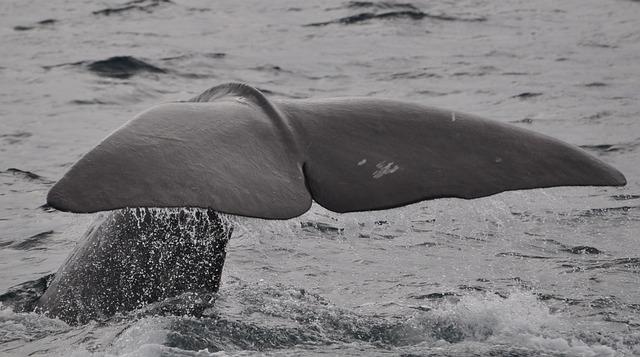
SeaWorld faces mounting pressure from animal rights group PETA as scrutiny intensifies over the treatment of its captive whales. The renowned marine park, long criticized for its orca shows and conservation practices, is navigating a complex landscape of public opinion, regulatory challenges, and activist campaigns. This article examines how SeaWorld is responding to ongoing demands for change, the impact of PETA’s pressure on its operations, and the broader implications for the future of marine mammal captivity in the United States.
SeaWorld’s Response Strategies to PETA’s Whales Campaign
SeaWorld has intensified its public relations and operational measures in response to the mounting pressure from PETA’s high-profile campaign against captive whales. The marine park has launched a multi-tiered strategy emphasizing transparency and animal welfare enhancements. These efforts include expanding veterinary care, upgrading habitats to more naturalistic environments, and increasing educational outreach highlighting their commitment to conservation. SeaWorld’s spokesperson stressed the company’s dedication to promoting the health and well-being of its marine mammals, aiming to counteract the negative narratives promoted by advocacy groups.
In addition to internal initiatives, SeaWorld has also adopted robust communication tactics. This includes leveraging social media platforms and community engagement to share stories of rehabilitation success and scientific research collaborations. The company organized public forums and partnered with marine biologists to foster dialogue about the ethics of marine animal captivity. Below is a summary of key response components:
- Facility Upgrades: Customized pools designed to mimic natural habitats
- Veterinary Excellence: 24/7 on-site veterinary teams specialized in marine mammal health
- Public Engagement: Interactive exhibits featuring conservation education and whale behavior
- Research Collaborations: Partnerships with universities and wildlife organizations
| Response Area | Specific Actions | Impact Measurement |
|---|---|---|
| Animal Care | Dietary improvements, enrichment programs | Increased whale activity and health indicators |
| Public Relations | Social media campaigns, expert panels | Positive media mentions up by 15% |
| Facility Enhancements | Expanded pools, naturalistic features | Visitor satisfaction ratings improved |
Impact of Activism on Marine Park Operations and Public Perception
PETA’s ongoing activism has substantially influenced the operational strategies of SeaWorld, forcing the marine park to rethink how it manages its whale exhibits. In response to mounting ethical concerns, SeaWorld has implemented stricter welfare protocols and increased transparency around its breeding and training programs. Such changes are not only aimed at legal compliance but also at mitigating public backlash and maintaining visitor trust. The pressure campaign has notably led to reduced reliance on breeding orca whales in captivity, a move that marks a significant shift from previous business models.
Public perception of marine parks like SeaWorld has shifted dramatically due to vocal advocacy and investigative exposés. Visitor surveys indicate a growing demand for educational and conservation-focused experiences, rather than entertainment centered on captive animals. Parks are now incorporating:
- Enhanced animal enrichment programs to simulate natural behaviors and environments
- Interactive educational displays highlighting conservation challenges faced by wild populations
- Community outreach initiatives aimed at raising awareness about marine biodiversity and preservation
| Metric | Before Activism | After Activism |
|---|---|---|
| Visitor Approval Rating | 68% | 54% |
| Investment in Welfare Programs | $2M/year | $7M/year |
| Number of Orca Births | 12 (past 5 years) | 3 (past 5 years) |
Evaluating Animal Welfare Practices and Policy Reforms at SeaWorld
Under growing scrutiny from animal rights organizations, SeaWorld has begun to reassess its approach to marine mammal care and public education. In response to intense pressure, particularly from PETA, the company has introduced several key policy reforms aimed at improving the wellbeing of its captive whales. These measures include enhanced habitat designs that mimic natural environments more closely, updated feeding protocols to promote natural foraging behaviors, and expanded veterinary health surveillance programs.
- Habitat enrichment initiatives focused on stimulating physical and mental activity
- Reduced performance schedules to allow for longer rest periods
- Collaboration with marine biologists to evaluate welfare indices regularly
Despite these advances, critics argue more comprehensive transparency is necessary to restore public trust. To highlight the nature of recent reforms, the following table summarizes major policy changes enacted over the past year:
| Policy Change | Implementation Date | Intended Outcome |
|---|---|---|
| Enhanced Pool Dimensions | July 2023 | Improve physical space for natural swimming patterns |
| Daily Behavioral Assessments | October 2023 | Monitor whale wellbeing with standardized criteria |
| Public Welfare Transparency Reports | January 2024 | Build public confidence through regular disclosure |
Recommendations for Balancing Entertainment, Conservation, and Ethical Concerns
Finding a sustainable middle ground requires SeaWorld and similar institutions to prioritize transparency and accountability in their animal care practices. Implementing rigorous third-party audits and openly sharing results with the public can help restore trust. Additionally, investing in state-of-the-art habitats that mimic natural environments while incorporating enrichment programs tailored specifically for whales is essential to promote both physical and psychological well-being. This shift from purely entertainment-focused operations to conservation-centered initiatives underscores a commitment to ethical stewardship in the modern era.
Collaboration with animal rights groups and marine biologists offers another pathway toward balanced progress. Admission programs can still captivate audiences while educating them on the scientific and ethical dimensions of marine life preservation. Below is a concise comparison of key focus areas SeaWorld can emphasize to align with evolving public expectations:
| Focus Area | Entertainment | Conservation | Ethical Considerations |
|---|---|---|---|
| Animal Welfare | Moderate interaction | Naturalistic habitats | Minimal stress & humane care |
| Educational Programs | Engaging shows | Conservation messaging | Respectful content |
| Public Relations | Attractive marketing | Transparency initiatives | Open dialogue |
- Invest in research to improve whale care and rehabilitation techniques.
- Reduce reliance on live animal performances and enhance virtual or augmented reality experiences.
- Engage communities through outreach and conservation volunteer opportunities.
In Conclusion
As SeaWorld continues to navigate mounting pressure from PETA and other animal rights organizations, the future of its whale programs remains uncertain. The company is balancing public scrutiny with efforts to adapt its offerings and respond to evolving consumer expectations. How SeaWorld manages this delicate situation will likely influence not only its own operations but also the broader conversation around marine mammal captivity in the years ahead.