



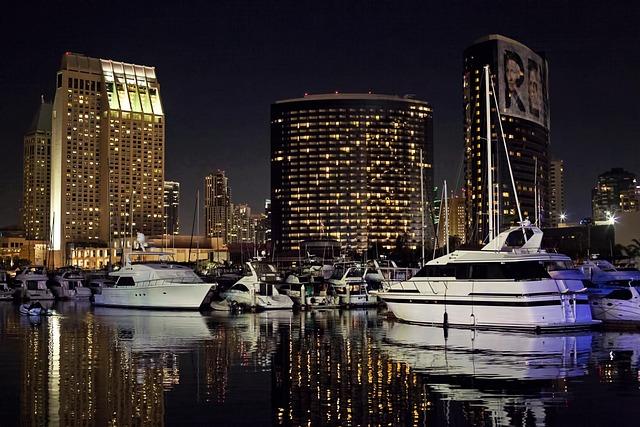
A fierce 1,000-degree blaze continues to ravage a Navy ship docked in San Diego, prompting urgent firefighting efforts and raising concerns over crew safety. The fire, which broke out earlier this week aboard the vessel, has proven difficult to contain, with thick smoke and intense heat hampering response teams. Authorities are actively investigating the cause of the incident as they work to bring the situation under control and assess the damage to the ship and surrounding area.
Blaze Intensifies Aboard Navy Vessel in San Diego Harbor
Authorities continue to battle a ferocious fire reaching temperatures of 1,000 degrees aboard a Navy vessel docked in San Diego Harbor. The blaze, which erupted late Friday evening, has engulfed multiple sections of the ship, complicating firefighting efforts amid dense smoke and extreme heat. Emergency crews remain on high alert as the fire shows no signs of abating, prompting evacuation protocols and heightened safety measures throughout the harbor area.
The U.S. Navy, in coordination with local fire departments, has dispatched specialized units equipped to handle high-intensity maritime fires. According to officials, containment strategies are focused on preventing the flames from spreading to adjacent vessels and critical infrastructure. Below is a quick overview of current response status:
- Firefighting Crews: Over 100 personnel deployed
- Containment Efforts: Multiple water cannons and foam units in use
- Evacuations: Restricted to immediate vessel zone
- Environmental Impact: Monitoring air quality & water runoff
| Response Phase | Status | Next Steps |
|---|---|---|
| Initial Containment | Completed | Expand perimeter defense |
| Smoke & Heat Management | Ongoing | Increase ventilation & cooling efforts |
| Structural Assessment | Pending | Begin once fire lowers |
Emergency Response Teams Battle Extreme Heat and Flames
Facing a relentless inferno persisting at temperatures soaring above 1,000 degrees Fahrenheit, multiple emergency response teams have joined forces aboard the Navy vessel docked in San Diego. The collaborative effort involves specialized firefighters, hazardous material experts, and medical personnel, all battling to contain both the flames and the hazardous conditions resulting from the intense heat. Despite the extreme risk, responders have employed advanced cooling techniques and thermal imaging cameras to pinpoint and combat the most volatile hotspots within the ship’s confines.
Key strategies in the ongoing operation include:
- Rapid deployment of foam suppressants to starve the fire of oxygen.
- Continuous ventilation efforts to reduce smoke accumulation and enhance visibility.
- Strict safety protocols ensuring responders rotate frequently to avoid heat exhaustion.
| Response Unit | Role | Status |
|---|---|---|
| Firefighting Brigade | Direct flame suppression | Active |
| HazMat Team | Monitoring hazardous materials | On Alert |
| Medical Support | Responder health & safety | Operational |
Impact on Naval Operations and Crew Safety Measures
The intense fire aboard the Navy ship has severely disrupted ongoing naval operations, forcing immediate suspension of all non-essential activities. Commanders are prioritizing containment and damage control efforts, resulting in altered deployment schedules and rerouted missions. This incident highlights vulnerabilities in shipboard emergency preparedness and underscores the necessity for rigorous training on fire containment strategies. Operational delays may ripple through the fleet, impacting strategic readiness and response times in the Pacific region.
In response to the crisis, the Navy has accelerated implementation of advanced safety protocols aimed at enhancing crew protection. These include mandatory fire drills conducted twice monthly, increased installation of automated fire suppression systems, and upgraded personal protective equipment. Efforts are focused on reinforcing the ship’s compartmentalization to prevent fire spread, ensuring all crew members are equipped with swift evacuation tools and real-time hazard communication devices.
- Enhanced Fire Detection: Installation of next-gen sensors for early warning
- Regular Safety Drills: Increased frequency and realism of emergency response exercises
- Improved Firefighting Gear: Upgraded thermal protective clothing and breathing apparatus
- Structural Reinforcements: Retrofitting bulkheads for superior fire containment
| Safety Measure | Current Status | Expected Completion |
|---|---|---|
| Fire Suppression System Upgrade | In Progress | Q3 2024 |
| Crew Fire Training Programs | Ongoing | Continuous |
| Emergency Communication Tools | Deployed | Completed |
Strategies for Preventing Future Shipboard Fires in Military Fleet
Enhancing fire prevention aboard military vessels requires a multifaceted approach that combines advanced technology with rigorous training protocols. Implementation of real-time fire detection systems utilizing thermal imaging and smoke sensors can drastically reduce response times, allowing crews to combat outbreaks before they escalate. Incorporating fire-resistant materials in ship construction and retrofitting existing infrastructure with enhanced insulation also contributes significantly to containment efforts. These measures not only minimize potential fire sources but also ensure that any ignition is rapidly isolated from critical areas.
Beyond technological upgrades, personnel preparedness remains pivotal. Establishing routine fire drills with scenarios closely mimicking real shipboard emergencies strengthens crew readiness. Additionally, maintaining clear evacuation routes and conducting quarterly safety audits reinforce procedural discipline. Below is a summary table highlighting key prevention strategies and their effectiveness ratings based on recent naval studies:
| Strategy | Implementation Level | Effectiveness |
|---|---|---|
| Thermal Imaging Sensors | High | Excellent |
| Fire-Resistant Materials | Moderate | Good |
| Routine Fire Drills | High | Very Good |
| Quarterly Safety Audits | Moderate | Good |
| Clear Evacuation Route Maintenance | High | Excellent |
- Continuous crew training on fire suppression systems and emergency protocols is critical.
- Regular maintenance checks of electrical wiring and fuel systems reduce ignition risks.
- Integration of automated sprinkler and foam systems ensures rapid fire control in compartmentalized areas.
The Way Forward
As firefighters continue to battle the intense 1,000-degree blaze aboard the Navy ship docked in San Diego, officials remain focused on containing the fire and ensuring the safety of all personnel involved. Investigations into the cause of the fire are ongoing, with authorities urging the public to stay clear of the affected area. Updates will be provided as more information becomes available.