



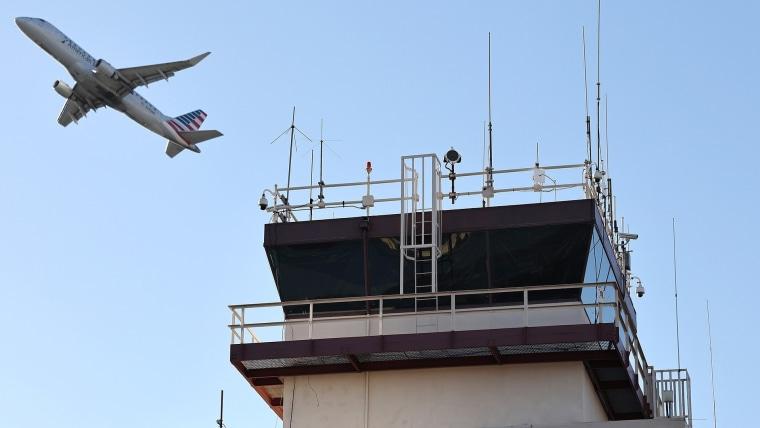
The Federal Aviation Administration (FAA) is reporting significant staffing challenges at airports nationwide as the government shutdown persists. According to officials, the ongoing lapse in federal funding has led to a shortage of critical personnel, raising concerns over airport operations, security, and passenger safety. This development comes amid increasing travel demands, putting pressure on already strained resources and heightening uncertainty for travelers across the country.
FAA Warns of Operational Risks Amid Prolonged Government Shutdown
As the government shutdown persists, the Federal Aviation Administration (FAA) is grappling with critical staffing shortages that threaten the efficiency and safety of airport operations nationwide. Many air traffic controllers and support personnel are reportedly working without pay, leading to increased absenteeism and operational delays. Industry experts warn that these conditions could compromise the management of air traffic flow, heightening the risk of bottlenecks and potential safety incidents.
Key operational risks identified include:
- Reduced air traffic controller availability during peak travel times
- Delayed maintenance activities on navigational equipment
- Strains on communication protocols among air traffic teams
- Increased workload and fatigue among on-duty personnel
| Impact Area | Current Status | Potential Consequences |
|---|---|---|
| Air Traffic Control | Staff shortages up to 15% | Flight delays, congestion |
| Equipment Maintenance | Deferred routine checks | Increased risk of system failures |
| Communication | Intermittent disruptions | Coordination challenges |
| Personnel Welfare | Staff working unpaid overtime | Burnout and attrition risk |
Impact on Air Traffic Control and Passenger Safety at Major Airports
The ongoing government shutdown has severely impacted the workforce at major airports, with the FAA reporting critical staffing shortages among air traffic controllers. This deficiency has led to increased pressure on existing personnel, forcing many controllers to work extended shifts. The resulting fatigue could elevate the risk of operational errors, potentially compromising the rigorous safety standards that passengers rely on. Airlines and airport authorities have expressed growing concern over the strain on airspace management amid rising travel demand, prompting calls for immediate federal intervention.
Passenger safety protocols remain a top priority, but delays and cancellations have surged due to the reduced staffing levels, disrupting travel plans for thousands. Enhanced safety procedures and contingency plans have been deployed, including:
- Extended radar coverage: To monitor flights more comprehensively despite fewer staff.
- Prioritized flight scheduling: Giving preference to essential and emergency services.
- Communication upgrades: Leveraging technology to streamline controller-pilot interactions.
| Airport | Controller Staffing Level | Flight Delays Reported |
|---|---|---|
| JFK International | 65% | 30% |
| Los Angeles Int. | 60% | 28% |
| Chicago O’Hare | 58% | 35% |
Challenges Faced by FAA Employees and Staffing Shortages
The ongoing government shutdown has intensified operational challenges for FAA employees, who are struggling to maintain safety and efficiency amidst a shrinking workforce. The shutdown has resulted in delayed salaries and increased uncertainty, affecting employee morale across multiple airports. Staffing shortages have forced the FAA to extend work hours for remaining staff, creating heightened stress levels while risking oversight lapses in air traffic management and security protocols.
Key difficulties reported include:
- Increased overtime requirements due to unfilled positions and absenteeism.
- Delayed training and certification processes for new recruits, leaving gaps in critical roles.
- Downtime in essential equipment maintenance that depend on FAA personnel to schedule and oversee.
| Issue | Impact | FAA Response |
|---|---|---|
| Air Traffic Controller Shortages | Flight delays & longer wait times | Mandated overtime & resource reallocation |
| Maintenance Delays | Potential safety risks & equipment malfunction | Prioritizing critical systems only |
| Employee Burnout | Increased error rates & absenteeism | Temporary staff hires & internal support programs |
Recommendations for Mitigating Disruptions and Ensuring Continued Airport Functionality
To minimize the operational impact stemming from FAA staffing shortages, airports are urged to implement strategic staffing adjustments, including cross-training existing personnel to manage critical functions efficiently. Prioritizing essential roles and leveraging temporary contract workers can provide immediate relief where staffing gaps pose the greatest risk to safety and security protocols. Moreover, enhancing communication channels between federal agencies and airport authorities is vital to ensure swift decision-making and resource allocation amid fluctuating workforce availability.
Key recommended actions include:
- Deploying technology to automate routine tasks such as passenger screening and data processing
- Coordinating closely with airline partners to adjust flight schedules proactively
- Increasing on-site training programs to maintain high operational standards despite workforce disruptions
- Establishing contingency plans that incorporate surge staffing and emergency response protocols
| Mitigation Strategy | Expected Outcome |
|---|---|
| Cross-Training Staff | Improved workforce flexibility |
| Automated Screening Technology | Reduced passenger wait times |
| Proactive Flight Adjustments | Minimized delays and cancellations |
In Conclusion
As the government shutdown persists, the Federal Aviation Administration continues to grapple with critical staffing shortages at airports nationwide. These challenges pose significant risks to operational efficiency and passenger safety, underscoring the urgent need for a resolution. Without swift action, travelers and the aviation industry may face prolonged disruptions and increased uncertainty in the weeks ahead.