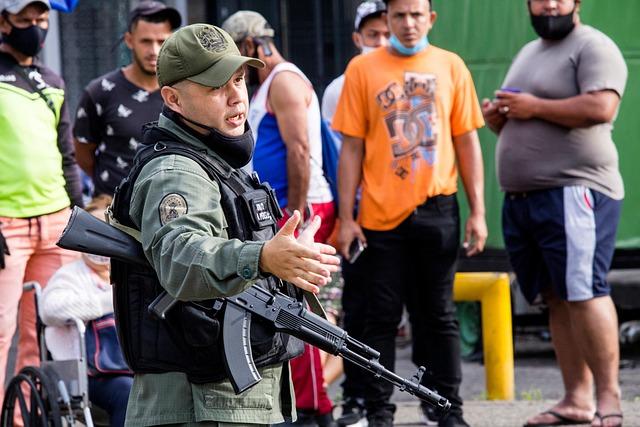
A Venezuelan military defector remains in detention six months after his arrest in San Diego, raising questions about the ongoing legal proceedings and his current status. The case, which has drawn attention from human rights advocates and diplomatic circles, highlights the complex intersection of immigration, asylum claims, and national security concerns. NBC 7 San Diego continues to follow developments surrounding the defector’s prolonged detention and the implications for U.S. immigration policy.
Venezuelan Military Defector Faces Prolonged Detention in San Diego
The former Venezuelan military officer, who sought asylum after defecting from his government, remains in custody almost half a year since his initial arrest in San Diego. Despite numerous court hearings, his detention continues amid ongoing legal battles concerning his immigration status and potential threats to his safety if returned to Venezuela.
- Legal challenges: Defense attorneys argue the prolonged detention violates his rights and call for expedited hearings.
- Government stance: Authorities cite national security concerns and pending investigations as reasons for extended confinement.
- Human rights concerns: Advocates urge for humanitarian considerations due to the defector’s vulnerable situation.
| Aspect | Status | Next Step |
|---|---|---|
| Detention Duration | 6 months | Review hearing scheduled |
| Asylum Claim | Under evaluation | Additional testimonies requested |
| Legal Representation | Active defense counsel | Motion for release pending |
Legal Challenges and Human Rights Concerns Surrounding Detention
Questions surrounding the legality of the prolonged detention have intensified among human rights advocates and international observers. Critics argue that the defendant’s continued imprisonment without formal charges or timely trial violates both domestic legal standards and international human rights conventions to which the United States is a signatory. Concerns include potential breaches of due process rights, the right to a speedy trial, and appropriate access to legal counsel, all of which are fundamental protections under the U.S. Constitution and the Universal Declaration of Human Rights.
- Extended detention periods: Detention beyond standard limits without formal indictment.
- Access to legal representation: Claims of restricted or delayed contact with defense attorneys.
- Conditions of confinement: Allegations of inadequate medical care and isolation.
- Political implications: Concerns that detention is politically motivated rather than grounded in valid criminal procedures.
| Human Rights Issue | Implications |
|---|---|
| Right to Speedy Trial | Delay undermines justice and violates legal norms |
| Legal Counsel Access | Impedes fair defense and case preparation |
| Detention Conditions | Potential inhumane treatment, worsening detainee health |
Impact of International Relations on Defector’s Case Progress
The complexities surrounding this case are deeply entangled with international diplomatic relations, mainly between the United States and Venezuela. The political tensions between the two nations have led to prolonged judicial procedures, affecting the defector’s ability to secure a swift resolution. Efforts to negotiate his release or expedite legal processes are often stalled by the lack of diplomatic channels, with each side cautiously navigating the implications of the defection amid broader geopolitical conflicts.
Key diplomatic factors influencing the case progress include:
- Sanctions and political pressure: U.S. sanctions on Venezuela complicate cooperation between authorities, impacting evidence exchange and consular support.
- Asylum and protection negotiations: Diplomatic hesitation surrounds granting asylum due to concerns of escalating tensions.
- International advocacy groups: Their involvement adds pressure but also introduces a layer of political sensitivity.
| International Aspect | Effect on Case | Current Status |
|---|---|---|
| US-Venezuela Relations | Limited communication slows data sharing | Stalemate persists |
| Global Human Rights Advocacy | Amplifies media attention | Ongoing campaigns |
| San Diego Legal System | Procedural constraints and delays | Hearing schedules postponed |
Recommendations for Addressing Prolonged Detention in Immigration Cases
To mitigate the challenges of prolonged detention in immigration proceedings, several key measures should be prioritized by policymakers and immigration officials. First, expedited case reviews must be implemented to prevent unnecessary delays, ensuring that individuals are not held beyond reasonable timeframes. Additionally, improved access to legal representation can significantly reduce detention lengths by facilitating faster and more effective case processing. Transparency in detention conditions and regular judicial oversight should also be mandated to uphold detainees’ rights and prevent indefinite confinement.
Community and humanitarian support plays an essential role in addressing the human impact of these prolonged detentions. Recommendations include:
- Establishing robust support networks connecting detainees with pro bono legal aid organizations
- Implementing mental health services and counseling for detainees coping with extended incarceration
- Enhancing policy frameworks to prioritize release on recognizance or alternatives to detention when appropriate
| Recommended Action | Expected Impact |
|---|---|
| Expedited Case Reviews | Faster resolution; reduces detention time |
| Access to Legal Counsel | Improved defense; fair hearings |
| Alternatives to Detention | Lower costs; humane treatment |
The Way Forward
As the case of the Venezuelan military defector remains unresolved six months after his arrest in San Diego, questions surrounding his detention continue to draw attention from human rights advocates and legal observers alike. The ongoing legal proceedings underscore the complex intersection of international relations, asylum policies, and national security concerns. Updates on the case are expected as authorities and defense teams navigate the challenges ahead, keeping the eyes of both local and global communities focused on the outcome.