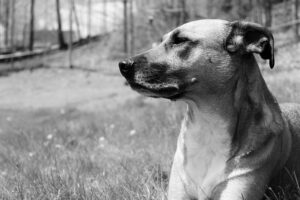




Authorities in Baja California are uncovering disturbing details after more than 300 abused dogs were rescued from a fake animal shelter in Ensenada, sparking an international outcry and an urgent call for help. As Mexican officials scramble to stabilize the surviving animals, rescue organizations across the border in San Diego are mobilizing to provide medical care, supplies, and placement for the traumatized dogs. The unfolding case, first reported by NBC 7 San Diego, is shining a harsh light on fraudulent rescue operations and testing the capacity of legitimate shelters already strained by overcrowding and limited resources.
Inside the Ensenada fake shelter scandal How abuse went unchecked and who failed the dogs
The property in Ensenada operated for years under the guise of a rescue, collecting donations, volunteer labor and a steady stream of dogs from well-meaning individuals and U.S. organizations. Behind closed gates, however, animals were found emaciated, dehydrated and crammed into filthy pens, with some reportedly left without veterinary care for treatable conditions. Neighbors later recounted hearing constant barking and smelling overpowering odors, yet complaints rarely translated into meaningful oversight. In a patchwork regulatory environment, authorities in Baja California, cross-border rescue groups and donors each assumed someone else was monitoring conditions, allowing neglect and alleged abuse to fester unchecked.
According to investigators and advocates, multiple safeguards failed at once:
- Local officials who received complaints but lacked clear enforcement protocols or resources.
- Cross-border rescues that relied on social media assurances instead of verifiable inspections.
- Donors and sponsors who continued funding despite red flags and vague reporting.
- Informal volunteers who came and went, seeing only curated areas of the property.
| Checkpoint | What Failed |
|---|---|
| Registration | No clear licensing or periodic review |
| Inspections | Irregular visits, limited follow-up |
| Rescue Partnerships | Trust over verification of conditions |
| Public Reporting | Donations accepted with minimal transparency |
Binational rescue response San Diego groups race to save hundreds of traumatized animals
Responders on both sides of the border mobilized within hours of the Ensenada discovery, forming an improvised corridor of care stretching from Baja California to San Diego County. Mexican authorities, local advocates and U.S. rescue organizations coordinated transport, triage and placement for more than 300 dogs, many suffering from malnutrition, untreated injuries and severe psychological stress. At makeshift staging points, veterinarians and volunteers worked under floodlights, logging animals, administering vaccines and separating the most fragile cases for emergency care. Border paperwork that typically takes days was pushed through in hours, as agencies synchronized to move animals into vetted foster networks and rehabilitation centers north of the border.
San Diego groups say the cross-border effort is exposing both the scale of the cruelty and the limits of existing infrastructure. Shelters that were already near capacity are reshuffling kennel space, tapping emergency foster families and requesting donations of food, crates and medical supplies to keep the pipeline moving. Among the immediate priorities are:
- Stabilizing critical cases with IV fluids, wound care and isolation
- Assessing behavioral trauma to tailor rehabilitation plans
- Coordinating transport between Baja and San Diego partner facilities
- Tracking each dog’s history for potential legal proceedings
| Location | Role in Response | Capacity Added* |
|---|---|---|
| Ensenada | Initial seizure, emergency triage | +150 holding spaces |
| Tijuana | Transfer hub, medical stabilization | +80 kennels |
| San Diego | Long-term care, fostering, adoption | +120 foster slots |
*Preliminary estimates provided by participating rescues
From crisis to accountability What Mexican and US authorities are doing and where gaps remain
In the weeks following the discovery of more than 300 abused dogs at a sham shelter in Ensenada, both Mexican and U.S. authorities have moved from shock to action, though not always in lockstep. In Baja California, prosecutors have opened investigations into alleged animal cruelty and fraud, while local health officials are conducting inspections of other facilities operating as rescues. U.S. agencies, including border authorities and local animal control departments in San Diego County, are coordinating with cross-border rescue groups to track the movement of animals and verify health certificates. Early responses have focused on emergency triage and relocation of survivors, but officials insist the next phase must address how such a high-volume operation was able to evade scrutiny for so long.
Even with these steps, advocates warn that enforcement is still patchy and many protections are reactive rather than preventive. In Mexico, penalties for animal cruelty vary by state and are often weakly enforced, while in the U.S. there is no unified system to monitor shelters that import animals from abroad. Rescue organizations on both sides of the border are calling for tighter licensing rules, shared databases of sanctioned operators and stronger oversight of fundraising campaigns targeting American donors. Key efforts and gaps include:
- Cross-border coordination: Improved information-sharing is underway, but no permanent binational task force exists.
- Regulation of shelters: Local inspections have intensified in Ensenada, yet registration standards remain inconsistent across municipalities.
- Legal follow-through: Criminal investigations have been announced, but timelines, charges and potential sentences are still unclear.
- Transparency to donors: U.S.-based contributors increasingly demand proof of care standards, yet verification mechanisms remain voluntary.
| Jurisdiction | Current Action | Main Gap |
|---|---|---|
| Mexico (Baja California) | Criminal probe, shelter checks | Limited oversight, uneven penalties |
| U.S. (San Diego County) | Rescue coordination, health screening | No unified tracking of imported dogs |
| Binational level | Ad hoc information-sharing | Lack of formal cross-border framework |
How to help responsibly Tips for donating adopting and avoiding fraudulent shelters
In the wake of the Ensenada case, animal welfare groups are urging the public to channel their compassion with caution. Donors are advised to look for verifiable transparency before giving: shelters should provide clear intake numbers, medical records, and adoption statistics, and be willing to share their veterinary partners and rescue licenses. Red flags include pressure to donate immediately, vague answers about where animals are housed, and social media pages filled only with emotional appeals but no documentation or follow-up outcomes. When possible, residents are encouraged to visit facilities in person, speak with staff and volunteers, and confirm that animals have access to clean water, shelter, and veterinary care. Collaboration with established San Diego rescues is also emerging as a safer pathway, as those groups are now coordinating cross-border efforts and vetting partners on the Mexican side.
For individuals looking to adopt, local organizations recommend prioritizing adoption counseling and proper screening as signs of a legitimate operation. Responsible rescues typically require applications, home checks, and adoption contracts that spell out veterinary history and return policies, rather than handing over pets on the spot for cash. Prospective adopters should be wary of operations that offer a high volume of “rescue” animals with luxury breeds at unusually low prices or that refuse to provide medical records. To help guide the public, advocates highlight the following practical checks:
- Research the shelter’s name alongside terms like “complaint” or “scam.”
- Verify nonprofit status and registration numbers when claimed.
- Ask for recent veterinary invoices or proof of spay/neuter.
- Confirm that adoption fees are itemized and reasonable.
- Report suspicious conditions to local authorities or animal control.
| Responsible Action | What to Look For |
|---|---|
| Donating | Public reports, clear budgets, named vet partners |
| Adopting | Screening process, contracts, medical records |
| Spotting Fraud | Hidden locations, cash-only, no documentation |
Future Outlook
As investigations continue on both sides of the border, animal welfare advocates say the Ensenada case underscores long-standing concerns about oversight of rescue operations and the ease with which bad actors can exploit the system.
For now, San Diego-area organizations say they will keep taking in as many animals as their facilities and foster networks can handle, even as they call for tighter regulations, better cross-border coordination and more resources for enforcement.
Authorities in Baja California have not said how long their inquiry will take or whether criminal charges will follow, but rescue leaders in the region insist that whatever happens next, the response to these 300 dogs cannot end with this single operation. They argue it must become a turning point – one that leads to lasting reforms designed to prevent the next “fake shelter” from ever opening its doors.