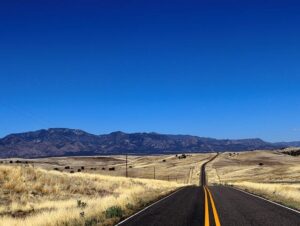


The Trump administration has established a new militarized zone in California along a stretch of the southern U.S. border, intensifying federal enforcement efforts in a region already at the center of the national immigration debate. The move, reported by NBC 7 San Diego, brings additional military-style infrastructure, personnel, and surveillance technology to the borderlands, raising fresh questions about civil liberties, local community impact, and the long-term direction of U.S. border policy. As officials in Washington frame the escalation as a necessary response to security threats, critics and residents along the frontier are examining what a more heavily militarized border means for daily life, regional stability, and the broader politics of immigration control.
Federal authorities expand militarized presence along California border raising civil liberties concerns
Federal agencies have quietly surged additional tactical units, surveillance equipment, and armored vehicles to key crossing points and desert corridors in Southern California, transforming stretches of the boundary into what rights advocates describe as a de facto militarized zone. Local officials say the buildup-featuring heavily armed patrols, low-flying aircraft, and temporary forward-operating posts-goes beyond traditional border enforcement and risks normalizing military-style tactics in civilian communities. Civil liberties groups argue that the expanded footprint blurs the line between national defense and domestic policing, raising questions about oversight, transparency, and the potential chilling effect on lawful protest and everyday cross‑border movement.
Community leaders along the border report an uptick in complaints from residents who say they have been questioned, photographed, or subjected to vehicle searches far from any official port of entry. Attorneys warn that the combination of broadened federal authority and limited public disclosure heightens the risk of racial profiling, data collection without consent, and suppression of constitutionally protected activity. Critics have outlined specific concerns:
- Expanded surveillance: Increased use of drones, license-plate readers, and facial recognition on public roads and neighborhoods.
- Armed deployments: Tactical teams appearing at checkpoints, transit hubs, and near schools and workplaces.
- Reduced accountability: Confusion over which agencies are in charge and what rules govern their conduct.
| Key Issue | Local Impact |
|---|---|
| Civil liberties | Residents report feeling monitored and intimidated |
| Community trust | Strained relations between border agents and neighborhoods |
| Transparency | Limited public information on deployment scope and duration |
Local communities and cross border families face disruption as new enforcement measures take effect
In border towns from Imperial Beach to Calexico, daily routines built around lawful cross-border movement are being upended as heavily armed patrols, new fencing, and expanded checkpoints come online. Families accustomed to crossing for school, work, or medical appointments report longer wait times, sudden lane closures, and increased questioning by federal agents. Local business owners say the heightened military-style presence is discouraging customers from Mexico, with some shops noting double-digit drops in revenue over the past week alone. Community advocates warn that mixed-status households are under particular strain, as parents weigh the risk of routine crossings against the fear of family separation.
Neighborhood leaders describe a climate of uncertainty, with residents unsure which routes, parks, or gathering spots are now subject to surveillance or patrol. Grassroots organizations have begun circulating guidance on how to navigate the changing landscape, emphasizing rights at checkpoints and safe ways to coordinate school pickups or elder care across the border. Common concerns include:
- Inconsistent screening at ports of entry, leading to unpredictable delays.
- Reduced access to binational schools, clinics, and workplaces.
- Psychological stress on children watching soldiers and armored vehicles near their homes.
- Interrupted caregiving for relatives who rely on cross-border visits.
| Group | Primary Impact |
|---|---|
| Cross-border workers | Longer commutes, missed shifts |
| Students | Canceled classes, late arrivals |
| Small businesses | Fewer customers, lower sales |
| Mixed-status families | Fear of separation, reduced travel |
Security experts question strategic value of militarized zone urge transparent oversight and metrics
National security specialists and former DHS officials are divided over whether the heavily fortified corridor will meaningfully deter sophisticated smuggling networks or merely shift their routes. Critics argue that the build-up of razor wire, mobile surveillance towers, and armored patrols risks becoming a costly show of force without a clear framework to measure impact. Several analysts note that cartels rapidly adapt to new obstacles, exploiting gaps in technology, staffing, or legal authorities. They warn that absent transparent benchmarks, the public may be left with dramatic images of a hardened frontier, while the underlying drivers of irregular migration and trafficking go largely unaddressed.
Policy researchers and civil liberties advocates are calling for clearer oversight structures and publicly accessible data to evaluate whether the zone improves safety or simply escalates tensions in border communities. They emphasize the need for:
- Independent audits of spending, deployment patterns, and contractor performance
- Standardized metrics for tracking incidents, response times, and interdiction outcomes
- Community impact reports detailing effects on local businesses, residents, and cross-border commerce
- Human rights safeguards to monitor use-of-force incidents and detention conditions
| Key Metric | What Experts Want Tracked |
|---|---|
| Operational Results | Apprehensions vs. successful crossings |
| Cost Efficiency | Per-incident and per-mile expenditures |
| Community Impact | Reports of disruptions and complaints |
| Rights Compliance | Documented abuses and resolutions |
Policy analysts recommend de escalation stronger humanitarian safeguards and regional cooperation
Policy specialists across the political spectrum argue that the newly fortified strip in California risks hardening tensions without addressing root causes of migration. They urge scaled-back military posturing, expanded channels for legal crossings, and clear rules of engagement that prioritize the safety of civilians, Border Patrol agents, and National Guard troops. Analysts point to past surges in enforcement as evidence that aggressive tactics can push migrants into more remote, deadlier routes. To prevent this, they call for independent monitoring, better data transparency, and stronger protections for asylum seekers, including rapid screening mechanisms and access to legal counsel.
Regional experts also stress that border security cannot be siloed from cooperation with Mexico and Central American governments. They recommend coordinated investments in job creation, anti-corruption efforts, and targeted security assistance aimed at dismantling smuggling networks rather than criminalizing displaced families. Key priorities outlined by think tanks and human-rights groups include:
- Humanitarian corridors with medical aid and shelter near major crossing points.
- Joint task forces with Mexican authorities to share intelligence and curb organized crime.
- Binational oversight panels to review incidents involving use of force in the militarized zone.
- Early-warning systems to anticipate migration spikes linked to climate and political crises.
| Policy Focus | Main Goal |
|---|---|
| De-escalation | Reduce confrontation and use of force |
| Humanitarian Safeguards | Protect migrants and local communities |
| Regional Cooperation | Address root causes beyond the border |
Wrapping Up
As the Trump administration continues to expand enforcement measures along the southern border, the new militarized zone in California underscores the sharpening divide over immigration and national security policy. Supporters argue the move is a necessary step to curb illegal crossings and bolster border integrity, while critics warn it risks escalating tensions, straining local communities, and normalizing a permanent military presence at the nation’s doorstep.
With legal challenges likely and the 2024 campaign season looming, the California deployment is poised to become another flashpoint in the broader national debate over how far the federal government should go in securing the border. For now, residents, local officials, and advocacy groups along the frontier will be watching closely to see whether this latest action delivers on its promises-or deepens the conflicts already playing out at America’s southern edge.