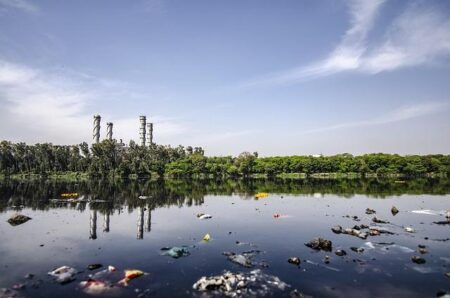



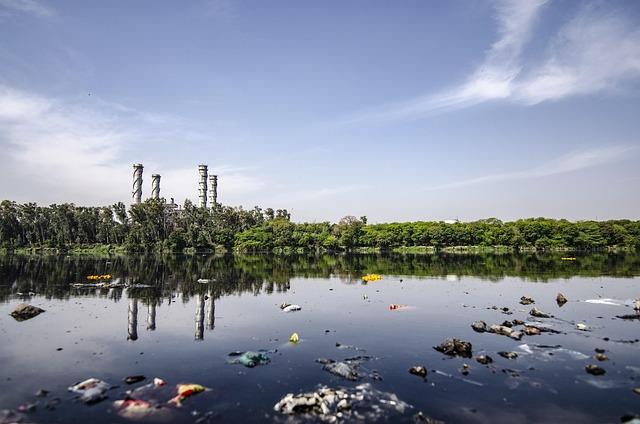
US and Mexican officials have signed a new agreement aimed at tackling the long-standing sewage pollution that has plagued the border region and fouled beaches in San Diego County. Known as “Minute 333,” the deal outlines a framework for expanded binational cooperation, infrastructure investment, and long-term planning to reduce the flow of untreated wastewater from Tijuana into the Tijuana River and coastal waters. The move comes after years of mounting environmental, public health, and economic concerns, as local leaders and residents have pressed both governments for a durable solution to the recurring cross-border contamination.
US and Mexico commit to Minute 333 targeting lasting relief for Tijuana River sewage pollution
In a rare display of binational alignment, officials from both countries have endorsed a new framework aimed at curbing the chronic sewage flows that foul beaches from Imperial Beach to Playas de Tijuana. Known as Minute 333, the agreement directs agencies on both sides of the border to prioritize long-term upgrades to aging wastewater systems, coordinate emergency responses to spills, and secure multi-year funding streams. Environmental advocates say this marks a shift from piecemeal, crisis-driven actions to a more strategic approach designed to protect public health, tourism, and coastal ecosystems.
The accord outlines a shared roadmap that includes:
- Coordinated infrastructure planning to modernize treatment plants and pump stations in the cross-border watershed.
- Joint monitoring and data sharing for real-time tracking of flows, contamination levels, and beach closures.
- Clear accountability milestones tied to federal and state investments in both nations.
| Focus Area | US Role | Mexico Role |
|---|---|---|
| Infrastructure | Expand South Bay treatment capacity | Rehab Tijuana collectors and pumps |
| Monitoring | Fund cross-border water quality sensors | Provide continuous flow and spill data |
| Governance | Lead binational technical working groups | Align federal, state and local agencies |
Chronic cross border contamination threatens public health beaches and marine ecosystems in San Diego
For years, polluted flows from the Tijuana River have carried sewage, industrial waste, and trash northward, closing beaches from Imperial Beach to Coronado and triggering repeated public health advisories. The persistent contamination has turned routine shoreline recreation into a calculated risk, particularly for surfers, lifeguards, and coastal residents who face elevated exposure to pathogens and toxic runoff. Local officials report that chronic closures are now measured in months, not days, eroding tourism revenue and reshaping daily life in coastal neighborhoods.
Marine biologists warn that the same pollutants fueling illness in humans are also destabilizing fragile coastal ecosystems, from kelp forests to estuaries that serve as nurseries for fish and shorebirds. Long-term monitoring has documented damage that extends well beyond the visible plumes at the border.
- Beach closures increasingly coincide with peak tourist seasons.
- Storm events intensify cross-border flows of sewage and sediment.
- Wildlife health indicators show rising levels of contamination.
- Local economies tied to clean water face mounting uncertainty.
| Impact Area | Primary Risk | Who Is Affected |
|---|---|---|
| Public Health | Waterborne illness | Swimmers, surfers, lifeguards |
| Tourism | Lost beach access | Local businesses, visitors |
| Ecosystems | Habitat degradation | Marine life, migratory birds |
Binational funding gaps aging infrastructure and enforcement failures undermine existing wastewater fixes
For years, both countries have pledged money to shore up treatment plants and collection systems along the border, but project timelines and dollar amounts on either side of the fence rarely line up. While Washington authorizes multi-year appropriations, Mexico often operates on shorter budget cycles, leaving key upgrades half-built or delayed. The result is a patchwork of temporary fixes that buckle under peak flows and storms. Aging pumps, corroded pipes and undersized treatment basins routinely fail, sending raw or partially treated sewage straight into the Tijuana River and, ultimately, onto South Bay beaches. Local officials say the lack of synchronized investments has turned even well-intentioned binational plans into a revolving door of emergency repairs.
- Underfunded cross-border projects stall or shrink in scope.
- Deferred maintenance accelerates mechanical breakdowns.
- Limited monitoring allows illegal discharges to go unchecked.
- Slow penalties reduce incentives for compliance.
| System Weakness | On-the-Ground Impact |
|---|---|
| Outdated treatment plants | More bypass events during storms |
| Inconsistent enforcement | Chronic overflows from hillside neighborhoods |
| Fragmented oversight | Slow response to cross-border spills |
Enforcement gaps on both sides of the border compound the problem. Mexican regulators struggle to police illegal hookups, failing pump stations and unpermitted outfalls in Tijuana’s rapidly growing neighborhoods, while U.S. agencies face narrow jurisdiction and limited tools to address pollution once it crosses the line. Industrial users that exceed discharge limits may face modest fines, but penalties often arrive years after violations, if at all. Environmental groups argue that this weak deterrent structure-combined with outdated binational agreements and fragmented governance-has allowed a preventable crisis to become routine. Even as new commitments like Minute 333 aim to overhaul the system, the legacy of underfunded infrastructure and inconsistent enforcement continues to erode public trust in any promised solution.
Experts urge transparent oversight strict timelines and community input to ensure Minute 333 delivers real progress
Policy analysts and environmental advocates on both sides of the border say the new binational pact will only matter if every commitment can be tracked in public view. They are calling for a detailed implementation roadmap that includes clear benchmarks, publishable monitoring data, and open access to contract information. Community groups want a permanent, bilingual public portal where residents can review water-quality readings, construction timelines, and budget updates, arguing that those most affected by cross-border sewage should not have to wait for occasional press releases to learn whether promises are being kept.
Local leaders are also demanding binding timelines and a formal role for border communities in shaping how projects are prioritized and built. Advocates propose regular town halls in San Diego and Tijuana, quarterly progress briefings, and a citizen review committee with seats for residents, scientists, and nonprofit representatives. They say these safeguards are critical to prevent delays that have plagued past efforts and to ensure that new funding targets the neighborhoods that have long shouldered the health and economic fallout. Their recommendations center on:
- Strict construction and upgrade deadlines tied to public milestone reports
- Independent technical audits of treatment plants and pipeline repairs
- Community advisory boards with real influence over project sequencing
- Cross-border data sharing so Mexican and U.S. residents see the same information
| Priority Area | Proposed Oversight Tool |
|---|---|
| Project Timelines | Public construction dashboard |
| Water Quality | Weekly test results online |
| Spending | Open contract and budget database |
| Community Voice | Binational resident advisory council |
Wrapping Up
As Minute 333 moves from signing ceremony to implementation, its true test will lie in whether promised investments translate into measurable improvements along the border and on local beaches. For residents of San Diego and Tijuana who have long lived with the health, environmental and economic fallout of chronic sewage spills, the binational accord offers a framework – but not yet a final answer.
In the months ahead, federal, state and local agencies on both sides of the border will be under pressure to turn diplomatic language into concrete projects and enforceable timelines. How quickly they act, how transparently they report progress, and how effectively they coordinate will determine whether this latest agreement marks a turning point in a decades-long crisis, or simply another entry in a long record of unrealized promises.