
![Titan Entertainment San Diego Comic-Con 2025 Exclusives [Update July 14] – San Diego Comic-Con Unofficial Blog](https://sandiego365.info/wp-content/uploads/2026/01/21079-titan-entertainment-san-diego-comic-con-2025-exclusives-update-july-14-san-diego-comic-con-unofficial-blog-300x169.jpg "Titan Entertainment San Diego Comic-Con 2025 Exclusives [Update July 14] – San Diego Comic-Con Unofficial Blog")

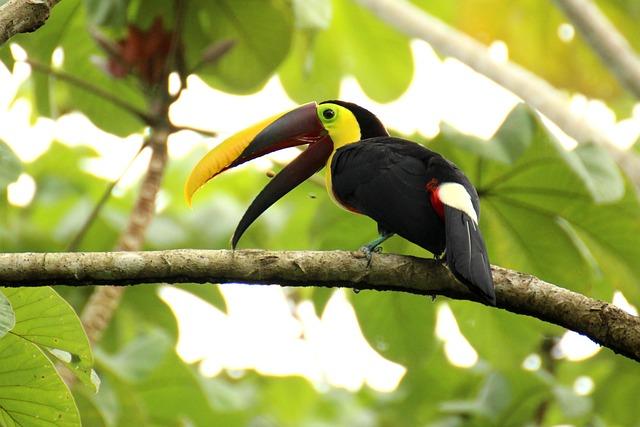
A routine inspection at the U.S.-Mexico border turned into a wildlife smuggling bust when federal officers discovered 14 live toucans hidden in a traveler’s vehicle, according to U.S. Customs and Border Protection (CBP). The alleged smuggling attempt, intercepted at a California port of entry and reported by NBC 7 San Diego, underscores ongoing concerns about the illegal trade in exotic animals and the risks it poses to both public health and endangered species. Authorities say the birds were seized and the case has been referred for further investigation and potential prosecution.
Toucan smuggling case at US Mexico border raises alarm over wildlife trafficking
U.S. Customs and Border Protection officers say the discovery of 14 live toucans concealed in a vehicle at a southern border crossing underscores a growing trend in illicit wildlife trade moving through North America. The colorful birds, some reportedly crammed into makeshift containers with limited ventilation, were intercepted during a secondary inspection of a vehicle entering from Mexico, according to officials. Agents immediately contacted veterinary specialists and wildlife authorities to assess the condition of the birds, several of which showed signs of stress consistent with prolonged confinement and transport. Federal investigators are now examining whether the attempted smuggling is linked to a larger trafficking network catering to collectors and exotic pet markets.
Conservation groups warn that the incident highlights how high demand for exotic species is driving organized crime deeper into biodiversity hotspots in Latin America. Toucans are protected under various international agreements, and moving them across borders without permits can trigger severe penalties under U.S. law. Authorities note that the case mirrors a pattern seen in other recent seizures, where birds and reptiles are treated as high-value contraband, often moved alongside narcotics and counterfeit goods. Early findings from the investigation point to a sophisticated pipeline that may involve:
- Local trappers in rural forest regions supplying live birds to middlemen
- Cross-border couriers using private vehicles and passenger buses
- Online marketplaces connecting traffickers with buyers in the U.S. and abroad
| Recent Wildlife Seizures | Location | Species |
|---|---|---|
| Car trunk inspection | San Diego corridor | 14 toucans |
| Bus luggage check | South Texas crossing | Exotic parrots |
| Parcel screening | International mail hub | Reptile hatchlings |
Inside the CPB operation that uncovered 14 exotic birds in a single stop
According to officials, the dramatic discovery began like any other southbound inspection in the early morning hours, when U.S. Customs and Border Protection officers at the San Ysidro Port of Entry flagged a compact SUV for a secondary exam. Routine questioning reportedly raised red flags: inconsistent travel details, visible nervousness, and a cluttered interior that didn’t match the driver’s stated purpose. A combination of behavioral analysis, risk-based targeting, and a handheld density scanner led officers to focus on interior panels and aftermarket modifications around the rear seating area. When inspectors removed a section of trim, they found makeshift compartments lined with tape and fabric, designed to dampen sound and avoid detection by standard visual checks.
Inside those hidden cavities, agents uncovered 14 live exotic birds, some showing signs of stress and dehydration after hours confined in cramped, unventilated spaces. Officers halted the inspection line and called in agriculture specialists and veterinary staff, who triaged the animals on-site while investigators cataloged evidence and secured the vehicle. CPB sources say the case offers a stark illustration of current smuggling trends, in which traffickers rely on small, frequent loads, concealed in everyday vehicles, to move high-value wildlife across the border. Early indications suggest the birds may have been destined for private collectors and underground markets, where demand for rare species remains strong despite international protections.
- Inspection point: San Ysidro Port of Entry
- Vehicle type: Compact SUV with modified panels
- Detection tools: Visual inspection, behavioral cues, density scanner
- Support units: Agriculture specialists, veterinary team, investigators
| Item | Details |
|---|---|
| Birds found | 14 exotic specimens |
| Smuggling method | Hidden vehicle compartments |
| Primary risk | Animal welfare & disease |
| Intended market | Illegal wildlife trade |
Experts warn of health risks and cruelty behind illegal exotic pet trade
Wildlife specialists say the dramatic toucan bust is only a glimpse into a sprawling black market that endangers both animals and people. Veterinarians warn that birds trafficked in cramped containers often arrive malnourished, dehydrated, and riddled with infections that can jump to humans. According to conservation groups, the stress of transport-extreme temperatures, lack of ventilation, and prolonged confinement-causes high mortality rates long before the animals reach buyers. Experts add that behind every colorful bird sold online or in a backroom deal, there is usually a chain of poaching, habitat destruction, and organized crime.
Public health authorities are increasingly concerned that smuggled wildlife can act as a vector for disease, complicating border control efforts and putting first responders at risk. Illegally traded birds, including toucans, are rarely vaccinated or screened, and may carry parasites, avian influenza strains, or other pathogens. Animal welfare organizations stress that many buyers are unaware of the specialized care these species require, leading to chronic neglect when animals survive the journey. Advocates urge potential owners to reconsider and instead support:
- Licensed sanctuaries that rehabilitate seized wildlife
- Accredited zoos involved in conservation breeding programs
- Rescue centers that work with law enforcement on cruelty cases
- Education campaigns discouraging impulse purchases of exotic animals
What authorities and travelers should do to curb cross border wildlife smuggling
Border officials and conservation agencies are under mounting pressure to match traffickers’ ingenuity with equally sophisticated defenses. Authorities can deploy advanced analytics at checkpoints, integrating AI-driven cargo screening, behavioral profiling at primary inspection, and real-time data sharing with wildlife crime databases such as INTERPOL and CITES alerts. Dedicated wildlife crime units at major crossings, backed by rapid-access veterinary teams, can ensure seized animals receive immediate care while preserving evidence. Transparent reporting dashboards, updated regularly, would also increase public trust and help identify trafficking hotspots along corridors frequently used by smugglers.
- Increase joint operations between customs, wildlife officers, and local police.
- Expand officer training on species identification and concealment methods.
- Mandate traceable paperwork for all live animal transport and exotic pets.
- Strengthen penalties targeting organized networks, not just couriers.
- Fund public tip lines with multilingual outreach campaigns.
| Traveler Action | Impact at the Border |
|---|---|
| Avoid buying wildlife souvenirs | Reduces demand driving smuggling |
| Check CITES and local laws before trips | Prevents “unknowing” illegal imports |
| Report suspicious cages or packages | Provides leads for inspectors |
| Refuse to carry items for strangers | Closes an easy channel for traffickers |
Travelers are increasingly viewed as frontline partners rather than passive observers. By scrutinizing “too good to be true” offers of exotic pets, questioning unlabeled animal products, and using official reporting channels when they spot cramped crates or concealed birds in luggage queues, passengers can disrupt the anonymity smuggling networks rely on. Airlines, bus companies, and tour operators can reinforce this vigilance with in-cabin announcements, warnings printed on tickets, and discreet reporting options in their apps, turning every cross-border journey into a potential checkpoint against wildlife crime.
Closing Remarks
Authorities say the investigation remains ongoing, and no further details about potential charges have been released.
Customs and Border Protection officials are using the incident to highlight the broader problem of wildlife trafficking along the U.S.-Mexico border and to remind the public that smuggling protected species carries serious legal and ecological consequences.
As the toucans await a permanent home with wildlife specialists, federal agents say they will continue to step up enforcement efforts aimed at stopping the illegal trade in exotic animals before it crosses into the country.

![Titan Entertainment San Diego Comic-Con 2025 Exclusives [Update July 14] – San Diego Comic-Con Unofficial Blog](https://sandiego365.info/wp-content/uploads/2026/01/21079-titan-entertainment-san-diego-comic-con-2025-exclusives-update-july-14-san-diego-comic-con-unofficial-blog-450x253.jpg "Titan Entertainment San Diego Comic-Con 2025 Exclusives [Update July 14] – San Diego Comic-Con Unofficial Blog")