



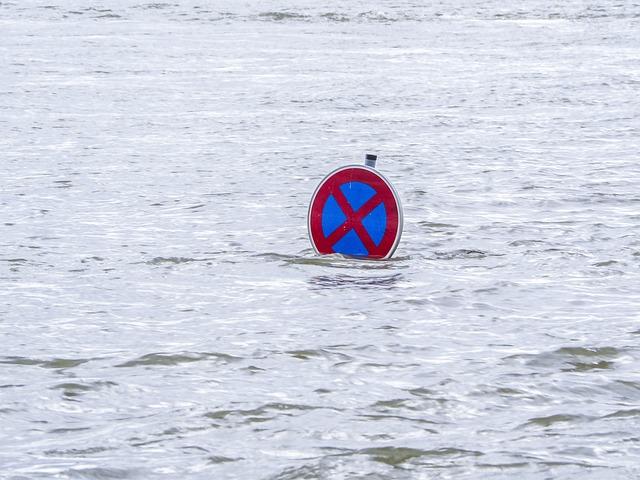
At least four people were killed in California as powerful storms unleashed catastrophic flooding over the Christmas holiday, submerging neighborhoods, triggering swift-water rescues, and forcing evacuations across several communities, authorities said. The deadly deluge marked one of the most severe holiday weather events in recent memory for the state, even as the same sprawling storm system pushed eastward, battering parts of the East Coast with heavy rain, strong winds, and hazardous travel conditions. Emergency crews from coast to coast were stretched thin on Monday as officials warned of ongoing threats from rising rivers, mudslides, power outages, and treacherous roads in the final week of the holiday season.
Lives lost and communities upended as Christmas floods devastate California
Entire neighborhoods across Northern and Southern California awoke on Christmas morning to streets transformed into dangerous rivers, with residents forced to abandon homes, vehicles and holiday plans in a matter of minutes. Families who had gathered for celebrations found themselves scrambling to higher ground as floodwaters surged through living rooms, garages and basements, carrying away wrapped gifts, decorations and, in some cases, decades of memories. Emergency crews using boats and high-water vehicles moved door to door in submerged blocks, guiding people to makeshift shelters set up in schools and community centers. Local officials described a patchwork of towns now scarred by mudslides, buckled roads and overwhelmed drainage systems, warning that recovery will be measured not in days, but in months.
As damage assessments continue, a clearer picture is emerging of the human and economic toll. Entire communities are grappling with overlapping crises:
- Families displaced: Hundreds forced from homes, many without insurance coverage for flood damage.
- Critical services disrupted: Power outages, contaminated water supplies and blocked emergency routes.
- Local economies hit: Small businesses flooded during what should have been a peak holiday shopping period.
- Emotional strain: Residents mourning loved ones while trying to secure housing and basic necessities.
| County | Evacuations | Homes Damaged | Shelters Open |
|---|---|---|---|
| Los Angeles | 1,200+ | 350+ | 5 |
| Santa Barbara | 600+ | 180+ | 3 |
| Sacramento | 400+ | 120+ | 2 |
Infrastructure failures and emergency response gaps exposed by back to back storms
The twin coastal deluges revealed how quickly critical systems can buckle when storms arrive in rapid succession. Aging levees, undersized culverts and overwhelmed storm drains in several California cities funneled water into residential streets instead of away from them, complicating rescue efforts as crews struggled to distinguish passable routes from submerged roadways. On the East Coast, saturated ground and clogged urban drainage amplified flash flooding, while widespread power outages disabled traffic lights, home medical devices and some small-town emergency radio repeaters, slowing coordination at the very moment it was most needed.
Local officials from both regions now face intensified scrutiny over planning and preparedness, with residents questioning why known weak points were not reinforced after earlier climate-driven disasters. Emergency managers cited staffing shortages, outdated evacuation maps and communication systems still reliant on cell networks that failed under the surge of calls and power cuts. Key breakdowns included:
- Delayed evacuation alerts in low-lying neighborhoods and mobile home parks
- Insufficient high-water vehicles to reach trapped motorists and seniors
- Limited shelter capacity, forcing last-minute relocations as flood forecasts worsened
- Fragmented interagency coordination between city, county and state responders
| Region | Key Failure | Immediate Impact |
|---|---|---|
| Central California | Levee breach near residential area | Overnight evacuations in waist-deep water |
| Southern California | Freeway underpass flooding | Dozens of cars stranded, major detours |
| Mid-Atlantic Coast | Storm drains overwhelmed | Basement flooding, localized blackouts |
| New England | Downed power and phone lines | Emergency calls rerouted, slower rescues |
East Coast braces for damaging winds coastal flooding and travel chaos as system moves east
As the volatile weather pattern that devastated California pushes across the country, forecasters warn that millions along the Atlantic seaboard face a volatile mix of gale-force gusts, pounding surf and rapidly deteriorating road conditions. National Weather Service offices from the Carolinas to New England have issued overlapping alerts for high winds, coastal flooding and disruptive rain bands expected to coincide with peak holiday return travel. Airlines are already cautioning passengers about cascading delays, while transportation departments are bracing for downed trees, power lines and localized washouts on major arteries. Emergency managers urge residents in low-lying neighborhoods to prepare for possible evacuations and to treat any flooded roadway as a hard closure, not a suggestion.
- Wind gusts topping 50-65 mph along exposed capes and headlands
- Minor to moderate coastal inundation during successive high tides
- Hazardous marine conditions with steep, confused seas
- Travel disruptions at major hubs from Washington, D.C. to Boston
| Area | Main Threat | Timing |
|---|---|---|
| Mid-Atlantic I-95 corridor | Tree damage, flight delays | Tonight-early Monday |
| New York City & Long Island | Coastal flooding, power outages | Pre-dawn to midday Monday |
| Southern New England coast | Beach erosion, urban ponding | Monday afternoon-evening |
Transportation officials warn that tightly packed squall lines could reduce visibility to near zero in bursts, turning routine commutes into hazardous runs. Rail operators are preparing for speed restrictions amid the risk of track obstructions, while port authorities are monitoring surging tides that could overtop bulkheads in vulnerable terminals. With saturated soils from recent rains, even moderate gusts may be enough to topple older trees into roads and feeders, threatening prolonged blackouts just as temperatures begin to fall behind the system. Meteorologists stress that while the storm is moving quickly, its sharp impacts over a short window heighten the risk of infrastructure strain and a domino effect of travel chaos along one of the nation’s busiest holiday corridors.
Policy lessons for climate resilience from a holiday storm that overwhelmed aging defenses
Emergency planners and lawmakers now face a blunt reality: infrastructure built for a 20th-century climate is repeatedly failing under 21st-century extremes. The holiday flood exposed gaps in levee maintenance, outdated drainage systems and fragmented communication between local, state and federal agencies. To move beyond disaster-by-disaster triage, officials are weighing measures such as mandatory climate risk audits for critical infrastructure, stronger building codes in flood-prone corridors and expanded funding mechanisms to repair and modernize defenses before they fail. Early warning systems and community outreach, particularly for low-income neighborhoods located near rivers and aging floodwalls, are also under renewed scrutiny as deaths and damage data show disproportionate impacts.
- Upgrade levees, culverts and storm drains to handle more intense rainfall.
- Restrict new development in high-risk floodplains and coastal zones.
- Invest in nature-based buffers like wetlands and restored river channels.
- Strengthen insurance and relief programs to close coverage gaps.
| Policy Focus | Priority Action |
|---|---|
| Infrastructure | Redesign for future climate extremes |
| Land Use | Limit building in repeat-flood zones |
| Equity | Target aid to most exposed communities |
| Data & Warning | Improve real-time flood forecasting |
In Summary
Authorities continue to assess the full scope of the damage as recovery efforts stretch into the coming days. With more storms possible in the forecast and communities still reeling from the Christmas flooding, officials are urging residents to remain vigilant, heed evacuation orders, and monitor local alerts. As California begins the arduous task of rebuilding and the East Coast braces for additional severe weather, the holiday season’s deadly storm serves as a stark reminder of the growing risks posed by extreme weather across the country.