



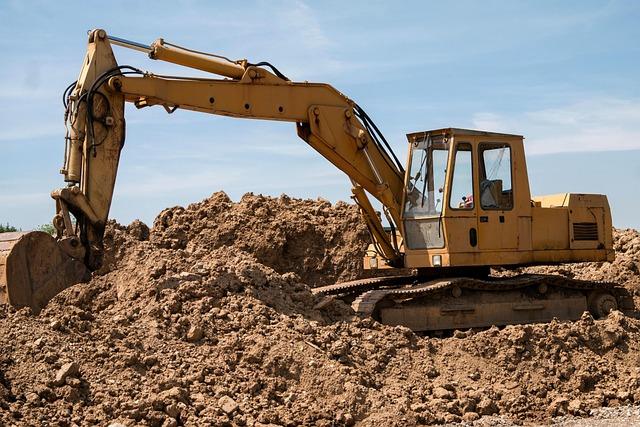
As the demand for cloud computing and data storage surges, data centers are rapidly reshaping urban and suburban landscapes across the globe. Business Insider’s new interactive map reveals where construction of these critical facilities is accelerating, offering an unprecedented look at how close you might be living to a data center. This growing infrastructure boom not only highlights shifting technology trends but also raises important questions about local economies, real estate, and environmental impact. Our in-depth coverage examines the key hotspots and what the expansion of data centers means for communities near you.
Data Center Boom Transforms Local Landscapes and Property Values
Across the country, the surge in data center construction is reshaping local economies and environments in unexpected ways. Communities once known for their quiet residential streets and undeveloped land are now facing rapid transformation as tech giants and cloud service providers race to establish massive data hubs. This influx has sparked a sharp increase in demand for real estate, driving up property values in areas previously considered affordable. Residents and investors alike are taking note of these shifts, with some seeing new opportunities while others raise concerns about long-term sustainability and strain on local infrastructure.
Key impacts observed include:
- Skyrocketing property prices-Residential and commercial real estate values have climbed 15-30% in hotspot zones over the past year.
- Land use changes-Agricultural and undeveloped plots are being acquired and repurposed for sprawling data facilities.
- Pressure on utilities-Increased energy consumption and water usage challenge existing municipal resources.
| Region | Data Centers Built | Property Value Change |
|---|---|---|
| Midwest | 28 | +22% |
| Southwest | 15 | +17% |
| Northeast | 12 | +25% |
Emerging Tech Hubs Drive Surge in Data Center Construction Across Regions
As digital transformation accelerates globally, several emerging technology hotspots are witnessing an unprecedented boom in data center construction. Regions traditionally overshadowed by established tech giants are rapidly evolving into crucial infrastructure hubs, powered by strategic investments from cloud providers, telecom companies, and edge computing startups. This trend reflects a broader decentralization of data processing, allowing businesses to reduce latency, improve service delivery, and comply with evolving data sovereignty regulations.
Key regions leading this surge include:
- Southeast Asia: With expanding internet penetration and growing e-commerce markets, cities here are attracting multi-million dollar data facilities.
- Eastern Europe: Leveraging cost-efficiency and proximity to Western markets, this area is becoming a preferred site for colocation centers.
- Latin America: Rapid digital adoption in countries like Brazil and Mexico drives demand for localized infrastructure.
| Region | Estimated New Facilities (2024) | Leading Industries |
|---|---|---|
| Southeast Asia | 35 | E-Commerce, Gaming, Cloud Services |
| Eastern Europe | 22 | Fintech, AI Research, Telecom |
| Latin America | 28 | Streaming, Fintech, Edge Computing |
Environmental and Infrastructure Impacts of New Data Center Developments
The surge in data center construction is reshaping local landscapes, often sparking debates over its environmental footprint. These facilities, known for their heavy energy consumption, contribute to increased carbon emissions, unless powered by renewable sources. Beyond energy, the expansion strains local water resources due to the vast amounts required for cooling systems. Communities near these developments face potential challenges such as noise pollution from backup generators and increased traffic from construction and maintenance vehicles, necessitating careful urban planning and environmental assessments.
Infrastructure demands are evolving rapidly as data centers require robust connectivity and power supply networks. This has led to upgrades in power grids, roads, and telecommunication lines, impacting neighborhoods in both positive and negative ways. While some areas benefit from improved infrastructure and job creation, others grapple with disruptions during construction phases. The table below highlights key impact categories and their potential effects on nearby communities:
| Impact Category | Potential Effects |
|---|---|
| Energy Consumption | Increased demand; risk of emissions if not renewable-powered |
| Water Usage | High volume for cooling; stress on local supplies |
| Noise Pollution | Backup generators; heavy machinery noise |
| Traffic | Construction and service vehicles; congestion concerns |
| Infrastructure Upgrades | Improved roads & telecom networks; temporary disruptions |
How Communities Can Prepare and Benefit from Nearby Data Center Expansion
Communities located near expanding data centers have a unique opportunity to harness both economic and infrastructural benefits. By proactively engaging with developers and local authorities, residents can help shape projects to maximize job creation and improve local services. Key actions include:
- Advocating for workforce training programs that prepare residents for emerging tech jobs.
- Collaborating on environmental impact assessments to ensure sustainable growth.
- Negotiating community investment agreements that fund schools, parks, and transit improvements.
- Utilizing data on construction trends to anticipate traffic changes and housing demand.
Moreover, municipalities can capitalize on data center growth by updating zoning laws and infrastructure planning to support increased energy and connectivity needs. Below is a simplified overview of typical community benefits associated with data center projects:
| Benefit | Description |
|---|---|
| Job Creation | From construction to operations, new employment opportunities arise. |
| Tax Revenues | Increased property and business taxes can boost public budgets. |
| Infrastructure Upgrade | Improved power grids, fiber networks, and roads enhance quality of life. |
| Technology Access | Enhanced broadband and digital services spur innovation and education. |
Wrapping Up
As data centers continue to multiply across the globe, their proximity to residential and commercial areas is becoming an increasingly important factor for communities, businesses, and policymakers alike. Our interactive map offers a revealing look at where this rapid construction is taking place, highlighting the shifting landscape of digital infrastructure. Staying informed about these developments is crucial as data centers play a pivotal role in supporting the digital economy, while also raising questions about environmental impact, local economies, and urban planning. For residents and stakeholders, understanding the growth patterns of data center construction is the first step toward engaging in meaningful conversations about the future of their neighborhoods.